1. Design That Stands Out
The appearance of packaging is the first factor that draws a consumer’s eye. We inhabit a world dominated by visuals, where the look of a product can determine its success or failure in retail. This is the reason why creative packaging design is not merely an afterthought, but rather a fundamental aspect of product marketing. Your product, regardless of its quality, may go unnoticed in a sea of others if your packaging fails to distinguish itself.
The Function of Visual Aesthetics
Your packaging should narrate a tale—and do so quickly. A shopper makes a decision in an instant regarding whether to grab a product or continue on. To generate a strong first impression, visual aspects like shape, structure, color, and layout need to collaborate effectively. Creative packaging employs these components not only to attract but also to tempt.
Consider unusual shapes—something beyond a simple box or a conventional bottle. Triangular chocolate boxes or wave-shaped perfume bottles, for instance, immediately catch the eye. That moment of curiosity can turn a glance into a purchase.
Leveraging Colors and Typography for Your Benefit
Color goes beyond mere aesthetics. It is psychological. As an example, green suggests something healthy or natural, red can incite hunger, and black signifies luxury. Grasping the nuances of color psychology provides you with a distinct advantage in shaping customer behavior in a subtle yet impactful way.
Another aspect that is often overlooked is typography. The style, size, and positioning of the font should be in line with the product’s tone. An upscale skincare brand could opt for sophisticated serif fonts with ample spacing, whereas a children’s snack would choose bold, whimsical letters. When typography is used wisely, it serves to convey your brand’s character while also ensuring that the information is easily legible and pleasant to the eye.
To put it briefly, design is the lure that draws people in. This is your opportunity to make a good first impression, so don’t squander it.
2. Markenkohärenz
While innovative design draws the gaze, brand consistency maintains it. The packaging must shout “you” — your identity, values, and message. A brand lacking consistency resembles a book that has no plot. Customers long for familiarity, and your packaging should strengthen your identity each time they encounter it.
Reflecting Your Brand Identity
Your packaging—everything from the placement of your logo and the color scheme to the tone of voice used—should be consistent with your brand. If your brand is recognized for its eco-consciousness, using flashy plastic packaging will not only cause confusion but also create a sense of alienation. Conversely, a minimalist brand should avoid the temptation to adopt a loud, chaotic design in an effort to appear “creative.”
It doesn’t mean you can’t innovate; that signifies you are creative while adhering to your brand’s limits. As an example, Coca-Cola treats its red-and-white color scheme as almost sacred. Regardless of how they remix the bottle or incorporate modern elements, the brand consistency remains robust. And for that reason, consumers love it.
Establishing an Emotional Link via Packaging
Packaging that narrates a tale or communicates the brand’s mission fosters a more profound connection. It is not only a container; it transforms into an experience. You might want to include taglines, quotes, or brief personal notes on your packaging. For small businesses, including a handwritten note saying “thank you” in the box can significantly contribute to loyalty-building.
Trust is built through consistency. It gives customers confidence that they are not merely purchasing a product, but rather investing in something larger. When approached creatively, this consistency does not come across as repetitive; rather, it feels dependable.
3. Practicality and Functionality
Usability should never be compromised in the name of creative packaging. Good appearance alone is not sufficient for packaging; it must function properly. From its opening mechanism to its storage method, every aspect is crucial for the user experience.
Packaging Structures That Are Easy to Use
Let’s be honest—nobody enjoys struggling with a package. From children attempting to access juice boxes to grown-ups wrestling with blister packs, difficult packaging can sour a brand experience. Creative packaging should strike a balance between form and function.
Consider resealable pouches, easy-pour spouts, or textures that are easy to grip. When it comes to products that are used often (such as coffee or snacks), being user-friendly is even more important. Never undervalue the impact that minor conveniences can have on generating major customer satisfaction.
Product Safety and Protection
Another aspect of packaging is safeguarding. If the product inside is damaged or the box arrives dented, a beautifully designed box is of no use. Even protective packaging can be inventive—consider padded, fortified, or compartmentalized interiors that are aesthetically pleasing and functional.
It is essential to guarantee freshness or safety, particularly for food, cosmetics, and electronics. Adding tamper-proof seals, moisture barriers, and shock-absorbent layers to your product enhances its trustworthiness and durability, thereby bolstering your brand’s reputation.
Sustainable development
Eco-friendly packaging is no longer optional—it’s expected. Today’s consumers are more environmentally conscious than ever, and brands that ignore this trend risk falling behind.
Environmentally Friendly Materials
Using biodegradable, recyclable, or compostable materials is not merely a matter of following trends; it is a matter of responsibility. Bamboo-based wrappers and recycled cardboard boxes are just a couple of the countless sustainable options that allow for creativity to flourish.
Waste can also be reduced through creative packaging. Creating a box that can fold neatly or serve as a reusable item (such as a jar or tote) enhances its functionality and environmental value. Eye-catching yet eco-friendly, minimalist designs can use less ink and fewer materials.
Customer Communication on Sustainability
Being sustainable is not sufficient—you have to demonstrate it. Make sure to label your environmental credentials clearly. Inform customers whether your packaging is entirely recyclable or produced from post-consumer waste. This fosters trust and helps environmentally conscious customers feel positive about their purchase.
Including QR codes that connect to your sustainability mission or certifications further strengthens your values and transparency. When creativity and sustainability work together, the outcomes are impactful and beneficial.
Clear and Informative Communication
Clarity should not be sacrificed for the sake of creativity. Consumers want to quickly understand what they are purchasing. Trust and confidence in your brand are fostered by informative and transparent communication.
What Needs to Be Included on the Label?
Your packaging should clearly show, at a minimum:
Name of the product
Essential advantages or characteristics
components or resources
Directions (if applicable)
Branding name and emblem
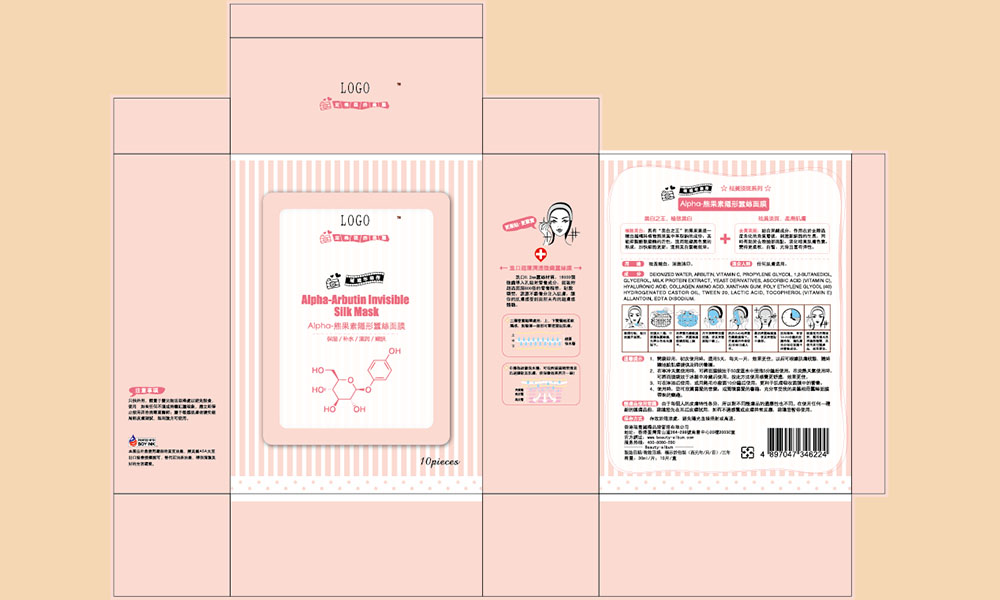
Depending on the sector, you may also require legal disclaimers, barcodes, expiration dates, or nutritional details. Organize this information in a neat, legible format that allows the eyes to move easily across the package.
Copywriting: Clarity or Creativity?
Indeed, smart copy can help make your brand unforgettable—but don’t overdo the cleverness. It is important to engage rather than confuse. Find a middle ground between branding flair and simplicity. Utilize approachable and relatable wording that connects with your intended audience.
If your brand voice is characterized by humor, inject some fun into it—but avoid ambiguity. If you embody premium and elegance, ensure your words mirror that tone. Consider the tone of voice that your ideal customer expects, and provide it consistently.
Conclusion
Creative packaging transforms the game. Before a customer even opens the box, it serves as your brand’s silent ambassador, handling the hard work. From breathtaking visuals to practical usability, environmentally friendly choices to unambiguous messaging, each component contributes. When executed correctly, packaging does more than sell a product; it sells an experience.