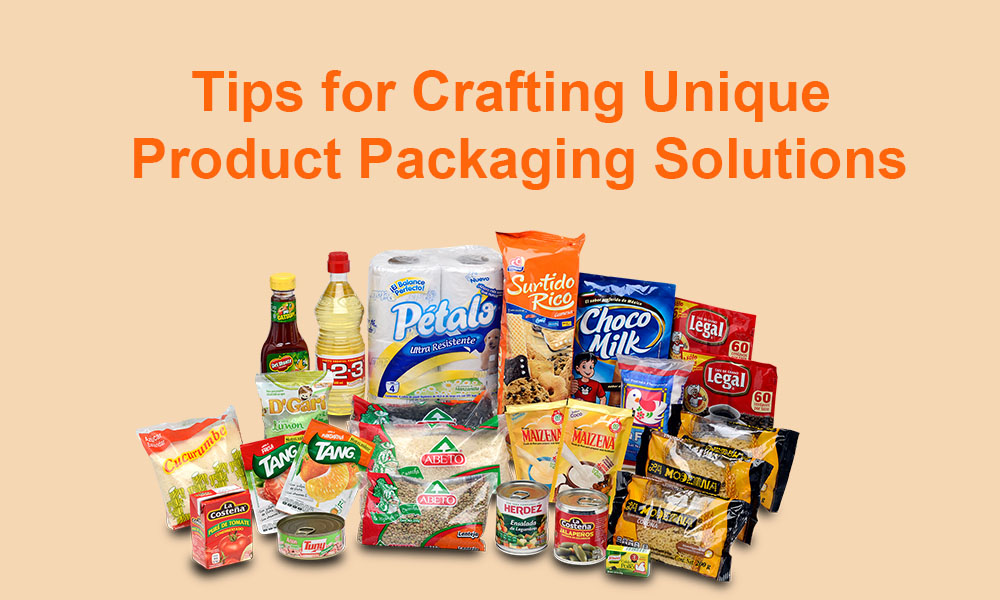
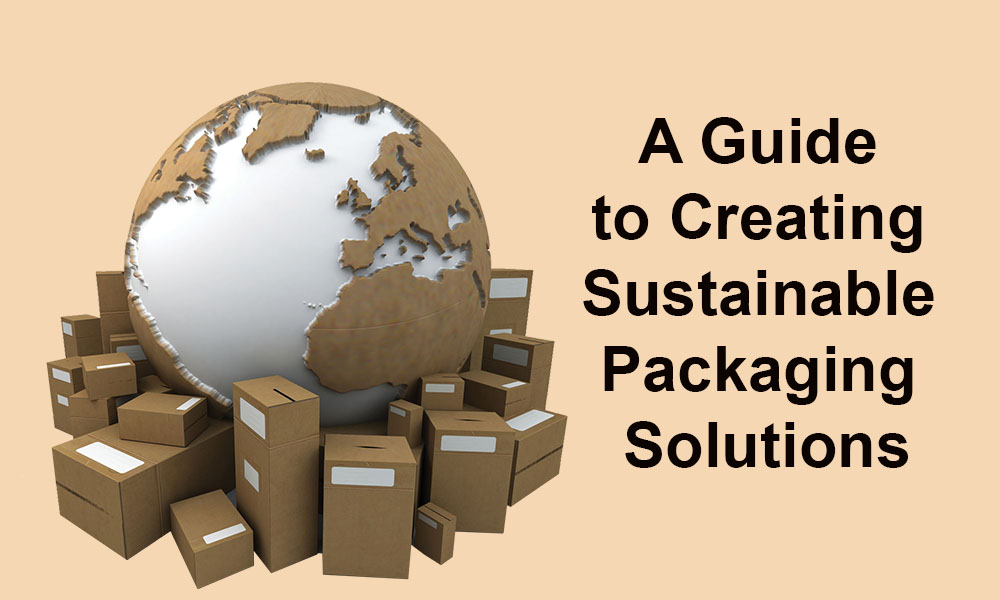
These days, packaging goes beyond simply enclosing your product. It’s about narrating your brand’s story, establishing an emotional connection with your audience, and distinguishing yourself on shelves (or screens). Let us explore the eight leading packaging design trends that are transforming brands’ visual communication and consumers’ interactions with products.
Sustainable and Eco-Friendly Packaging
The Rise of Green Packaging
With consumers being more eco-conscious than ever, brands must keep pace. A key movement in contemporary packaging is the transition to sustainable materials. Consider biodegradable wrappers, recyclable containers, and compostable bags. Businesses are opting for packaging made from paper, plants, or reusable materials that is more environmentally friendly than plastic.
Its attraction is not limited to the environmental aspect; it also encompasses an emotional one. Consumers feel good about their purchase when they see a brand dedicated to waste reduction. It generates brand loyalty and even advocacy. Though a kraft paper bag with minimalist ink may appear straightforward, it conveys a great deal about a company’s values.
Consumer Preference for Sustainability
Especially Gen Z and millennials place great importance on sustainability in their shopping behavior. Packaging that prominently features phrases like “recyclable” or “made from ocean plastic” serves to inform consumers and also affects their buying choices. Consumers frequently opt for products that reflect their values, with sustainability now leading the way.
It has outgrown the niche market. Even major corporations are overhauling their complete packaging systems to cut carbon emissions and boost recyclability. Anticipate that this trend will intensify in the coming years as regulations become stricter and consumer expectations change.
Minimalist and Clean Designs
Less is More The era of cluttered labels and overly designed boxes is over. The trend of minimalist packaging incorporates the use of white space, clear typefaces, and monochrome color schemes. Why is that? As simplicity is potent. It exudes a premium vibe, aids in product recognition, and highlights the essentials—your brand and the product.
A design that is clean enhances the aesthetic appeal and conveys confidence. It conveys to the consumer, “We don’t need to yell—we’re aware of our quality.” Subtle elegance of this kind works particularly well in cosmetics, tech gadgets, and artisanal foods.
Boosting Shelf Impact with Simplicity In a cluttered shelf environment, it is often the calmest packaging that draws attention, rather than the loudest. Minimalist packaging attracts notice because of its calmness, which makes it distinctive. Consider the packaging of Apple products: a white backdrop, polished images, and just one logo. That is the strength of minimalism.
Even online shops benefit. Thumbnails and product images featuring clean packaging appear more attractive, resulting in increased click-through and conversion rates.
Bold Typography
Making a Statement with Fonts Typography has evolved from merely supporting text to becoming the centerpiece of packaging design. Unique typographic treatments and bold, oversized fonts are dominating the shelves. It concerns impact. An excellent font selection can express character, ignite feelings, and narrate a brand’s tale instantly.
Brands are breaking the mold with typography—mixing font weights, using vertical text, and allowing type to spill over edges. This aids in seizing attention immediately and provides items with a contemporary, avant-garde atmosphere.
Typography Takes Center Stage in the Design In certain instances, type is the sole design component. No graphics, no photos—only impactful words. Some brands are that confident in their typography game. High-end and niche products, where storytelling plays a vital role, particularly embrace this trend.
Font selection is crucial: serif fonts suggest tradition and reliability, whereas sans-serif fonts appear modern and tidy. There is also an increasing prevalence of custom typefaces, which enable brands to create a distinctive visual language uniquely theirs.
Vintage and Retro Aesthetics
Nostalgia as a Marketing Strategy There’s a resurgence of retro-inspired packaging, and it’s warranted. It draws on the nostalgic feelings that people have. From the pastel shades of the ’70s and the striking graphics of the ’80s to the grunge aesthetics of the ’90s, these designs whisk consumers away to another era.
This type of packaging attracts not just those who experienced those decades, but also younger consumers who consider retro to be fashionable and genuine. It imbues the product with a sense of history, character, and timeless charm.
The Contemporary Spin on Traditional Designs Vintage packaging is currently fashionable due to its fusion of the old and the new. Classic design elements, such as hand-drawn labels and aged paper textures, will be paired with modern typography and updated color schemes. While still feeling fresh and relevant, it creates a sense of authenticity.
Consider it as a way of narrating through design. A retro aesthetic can imply quality, heritage, or a handmade touch, all while distinguishing itself in today’s hyper-digital world.
Smart Packaging and Technology Integration
QR Codes and Augmented Reality Technology is making its way into packaging design in thrilling ways. A significant trend is smart packaging, which employs QR codes, NFC chips, or augmented reality to provide consumers with an interactive experience. With a simple scan, you can access product tutorials, brand videos, customer reviews, or even AR filters.
It’s not only fun—it serves a purpose. It saves packaging space while still providing detailed information. Moreover, it fosters engagement by converting passive purchasers into active participants in the brand experience.
Improving Customer Experience via Engagement Picture this: you aim your phone at a cereal box and meet the farmer who cultivated the ingredients, or you scan a skincare product to view tutorial videos. These technology integrations are increasingly common and anticipated.
Personalization and Custom Designs
Tailored for the Individual In a world of mass production, consumers crave uniqueness—and personalized packaging delivers just that. From names printed on soda bottles to skincare kits labeled with customer details, customization is becoming a key trend in packaging design. It makes the consumer feel seen, valued, and special.
This method is especially effective for gifts, subscription boxes, and high-end products. Brands that enable customers to modify the design or personalize packaging with their names are perceived as innovative and focused on customer needs. The experience has become just as important as the product.
It is possible to establish a more intense emotional bond through even uncomplicated actions, such as printing a personalized message or the customer’s name on the package. In the present digital era, individuals are more inclined to post customized products on social media—providing brands with organic visibility and a dedicated fanbase.
Limited Editions and Collector Appeal
Another aspect of personalization is the use of limited-edition packaging. Consider seasonal collections, partnerships with celebrities, or designs tailored to specific locations. These unique packages create a sense of urgency and excitement, prompting individuals to make a purchase before the designs vanish.
Limited editions not only drive sales but also foster the development of collector communities centered around brands. People enjoy displaying unique designs, and this trend directly connects to that behavior. For instance, Coca-Cola’s “Share a Coke” campaign exemplified this strategy with excellence.
Transparent and Clear Packaging
Exhibiting Product Integrity Consumers demand transparency today—both literally and figuratively. Transparent packaging that allows customers to see the contents fosters trust. It conveys the message, “We’ve got nothing to hide.” Be it organic juices, cosmetics, or fresh produce, transparent materials accentuate the product’s quality and authenticity.
This trend is particularly significant in the packaging of food and beverages. Customers appreciate being able to see the texture, color, and ingredients prior to buying. It demonstrates that the product is genuine, fresh, and a worthwhile purchase.
In minimalist designs, this trend also works beautifully. A transparent container featuring a straightforward label has a sleek, modern appearance, providing both aesthetic appeal and practicality.
Building Trust Through Visibility
Transparency encompasses more than just materials; it also involves communication. Using transparent packaging also sends a message that your brand prioritizes honesty. This is crucial for developing customer loyalty, particularly in saturated markets where gaining trust is difficult.
Transparent windows in boxes, clear jars with little labeling, and see-through pouches showcasing raw materials not only enhance the product’s perceived value but also foster customer trust. If your product is great, why not show it off?
Illustrative and Hand-Drawn Elements
Creativity Meets Branding In an age of digital design, hand-drawn illustrations offer a sense of authenticity and personal touch. As brands seek to establish emotional connections, this trend is rapidly gaining momentum. Visuals that are hand-sketched, adorned with watercolor details, or include fanciful doodles establish a genial and accessible atmosphere—one that artisan and craft brands find particularly appealing.
Illustrations can narrate a tale, establish an ambiance, or bring forth a specific emotion. Custom illustrations, as opposed to generic graphics or stock photos, lend an artistic quality to your packaging. It turns into something memorable, shareable, and completely one-of-a-kind.
Establishing an Emotional Connection with Customers To underscore the “human touch” behind a product, hand-drawn elements are frequently employed. For small businesses, it serves as a demonstration that actual individuals crafted the contents. For bigger brands, this serves as a tactic to seem more down-to-earth and relatable.
These components are incredibly effective in categories such as skincare, food, coffee, stationery, and children’s products. Even a minor illustration—such as a cheerful sun, a snug home, or a leafy twig—can change the overall tone of your packaging. It’s not about being perfect; it’s about character.
Conclusion Packaging design transcends aesthetics; it serves as a strategic tool that shapes brand perception, fosters customer loyalty, and affects purchasing decisions. Modern consumers have a strong desire for authenticity, simplicity, and sustainability. They desire packaging that goes beyond mere functionality to narrate a story, captivate the senses, and foster a sense of belonging to a larger purpose.
Brands can distinguish themselves in a saturated market and foster enduring connections with their audience by keeping up with the latest trends, such as sustainable materials, bold typography, smart technology, and personalized designs. No matter if you’re a newcomer or a long-established brand, adapting your packaging to align with these trends can be crucial in 2025 and the years to come.