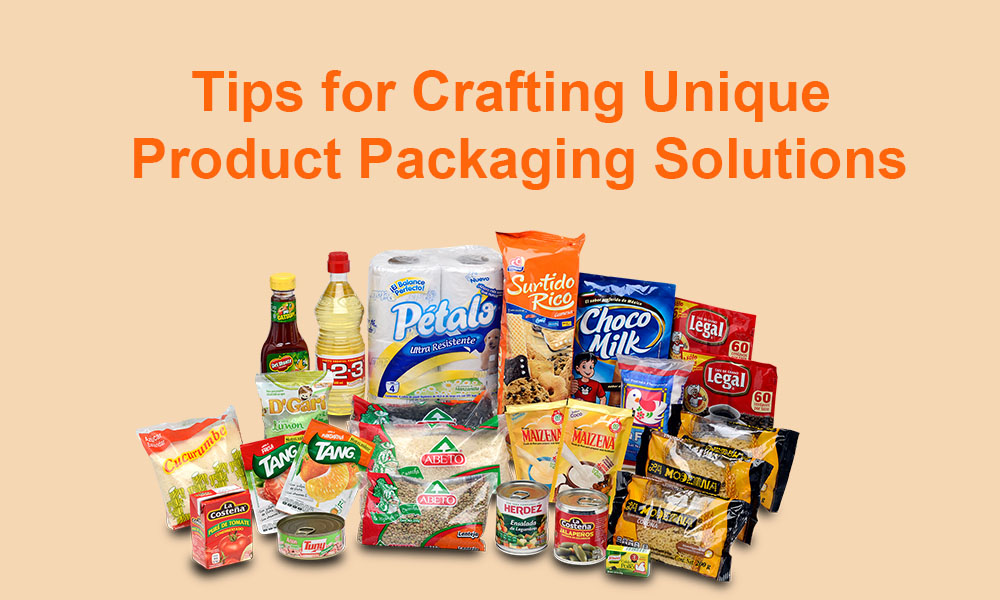
Advice for Designing Distinctive Product Packaging Solutions
Intro to Distinctive Packaging Design
Let’s acknowledge the truth of the situation: today’s market is saturated. Whether in physical shops or on the internet, products contend for consumers’ notice. What is the factor that often decides? Packmittel. However, it must not be just any packaging. This is about distinctive, memorable packaging that conveys your brand’s essence and captures your customers’ attention immediately.
Consider it like a first date. You have a single opportunity to create a powerful impact, and the packaging of your product is conveying everything it needs to say before anyone examines the label or selects “add to cart.” This is the point at which strategic design becomes relevant. Effective packaging serves multiple purposes: it protects the product, promotes it, tells its story, and reinforces its brand identity—all within a single tidy (or bold) package.
The Importance of Packaging in Our Times
To put it bluntly: Your sales can be made or broken by packaging. Why is that? Due to the fact that individuals are visual beings. No matter how excellent the item within, a boring, unremarkable package may be overlooked. Conversely, a package that is eye-catching and smartly designed commands attention, piques curiosity, and encourages action.
Today, in an era of unboxings, social media phenomena, and TikTok fads, packaging serves more than a practical purpose—it is part of the content itself. If your packaging looks great on Instagram, you have a free marketing channel. It’s the type of asset that continues to benefit your brand long after the sale.
A study conducted by Ipsos found that 72% of consumers report that the design of a product’s packaging affects their buying choices. It is a considerable figure, representing a tremendous chance for companies to distinguish themselves amid uniformity.
The Impact of Initial Impressions on Consumer Choices
Picture yourself strolling along the snack aisle. You see two granola bars: one is encased in standard plastic with no frills, while the other comes in a matte box adorned with vibrant artwork and a humorous tagline. Which one catches your eye first?
It takes no time at all for first impressions to form. Before making the decision to select your product or ignore it online, customers frequently encounter your packaging first—and occasionally the only time. Your packaging must shout, “I’m worth it!” before they even discover the contents.
Here’s the thing: even if your product is a thousand times better than that of your competitor, if your packaging doesn’t scream it out loud, people may never give it a chance. This is the reason why clever brands put money into packaging that shows creativity, authenticity, and quality.
Grasping Your Brand Identity
Prior to considering a design or material, you must thoroughly investigate the core values of your brand. Do you lean towards playful or premium? Understated or boisterous? Environmentally aware or luxury-oriented? Since packaging serves as your brand’s visual voice, clarity is essential.
Consistent brand representation across all customer interactions is achieved when your packaging reflects your brand identity. With consistency comes trust, and trust fosters loyalty.
Consider Apple. Their sophisticated appearance is accentuated by their sleek, clean design and all-white color scheme. Just think about how it would be if they suddenly changed to bubble wrap in colors of the rainbow. Strange, isn’t it? That’s the strength of maintaining a consistent brand image.
Packaging that reflects brand values
Your packaging ought to embody your mission and fundamental values. If your brand advocates for sustainability, your packaging must align with that commitment. Minimalist wraps, biodegradable plastics, and recyclable materials are more than just functional—they convey a strong message about your values.
In the same vein, if your brand embodies fun and youthfulness, your packaging should radiate energy. Interactive unboxing experiences, quirky fonts, and bold colors aren’t just optional—they’re crucial. Packaging is akin to the clothing of your brand; it ought to be suited to the message you wish to convey.
Pose the following questions to yourself:
Which feelings should my product evoke in people who see it?
Which values do I aim to communicate via design?
In what way can my packaging initiate a dialogue?
Defining the Expectations of Your Target Audience Understand who your audience is. What attracts Gen Z might completely fail to resonate with millennials. If your audience is environmentally conscious, avoid using multiple plastic layers. When your target market is high-end fashionistas, your packaging must embody luxury.
Investigate your audience’s behavior, preferences, and social media habits. Do they enjoy sharing aesthetic content? Then your packaging needs to be “Instagrammable.” Are they pragmatic and straightforward? Then ensure it is tidy,
to open, and practical.
By understanding your audience, you can create packaging that not only looks appealing but also communicates directly with those who are most important.
Utilizing Creativity for Distinctive Designs Creativity goes beyond being a trendy term—it’s your key to attracting notice and ensuring memorability. Today’s consumers are inundated with choices, and it is innovative packaging that causes them to pause, gaze, and eventually make a purchase. Top-notch packaging designs fuse creativity with strategy to generate visual impact and forge emotional ties.
Using Colors, Typography, and Imagery Inventively Colors serve more than a decorative purpose—they’re indicators of emotion. The color red conveys energy and urgency, whereas green is associated with nature and health. On the other hand, typography narrates its own tale. While bold, sans-serif fonts convey a modern and youthful vibe, elegant script fonts suggest luxury.
Imagery provides an additional layer. From minimalist icons to detailed illustrations, visuals convey your brand’s essence instantly. For example, a company that produces natural juice could use hand-drawn fruit illustrations to convey authenticity and freshness. The secret? Maintain your brand voice consistently while pushing the creative boundaries just enough to be noticed.
It is also important to use contrast, whitespace, and layout effectively. A design that is clean and has a focused visual hierarchy allows for smooth eye movement. If executed properly, it can transform even a basic product into a shelf sensation.
Investigating Shapes and Materials That Are Unconventional
Don’t hesitate to explore less conventional routes. Shapes that are one of a kind can astonish and please consumers – and ensure they recall you. Consider the well-known canister of Pringles or the triangular packaging of Toblerone. These shapes serve a purpose and are easily identifiable, in addition to being enjoyable.
Materials are also significant. Using recycled paper, bamboo, metal tins, or plant-based plastics can enhance the user experience. To introduce a tactile component, certain brands go so far as to experiment with textures such as embossed logos or matte coatings. Such little details give a premium impression and enhance perceived value.
Keep in mind: when packaging is surprising (yet still serves its purpose), it sets your brand apart and generates excitement.
Sustainability as a Marketing Advantage
Let’s face it—sustainability is not a passing fad. It is the future. A greater number of consumers are basing their purchasing choices on eco-conscious values than at any other time. Indeed, almost 60% of consumers report a willingness to spend more on items with sustainable packaging.
Environmentally Friendly Packaging Choices A multitude of eco-friendly materials awaits you—such as compostable bags, biodegradable plastics, recycled cardboard, and even packaging made from mushrooms (it truly exists!). These materials assist in minimizing environmental impact while attracting eco-conscious customers.
To cut down on waste, brands are utilizing minimalistic packaging. Consider less ink, a reduced number of components, and packaging that serves as both storage and display. To reduce pollution, some choose digital printing instead of traditional techniques.
To be sustainable also entails taking into account the entire life cycle of your packaging—from responsibly sourcing materials to guaranteeing that they can be recycled or reused after use.
Conveying Sustainability to Consumers
If you’re utilizing environmentally friendly packaging, announce it loudly—at least on your label. Clarify how your packaging benefits the planet and what steps customers can take for its responsible disposal.
Utilize icons and brief text to emphasize attributes such as “100% recyclable,” “plastic-free,” or “compostable.” QR codes that direct users to your sustainability page or social campaigns can further foster trust and transparency.
Keep in mind that today’s buyers don’t merely buy a product; they invest in the values it represents. A packaging that tells the story clearly builds a deeper emotional loyalty.
Functionality Meets Style
While cool packaging is great, it shouldn’t be annoying to open or fail to protect the product. This is the reason the most effective packaging finds a compromise between function and appearance.
Creating Usable Designs That Maintain Style
Intuition should characterize great packaging. No one wants to struggle with tricky packaging or rip through tape just to reach the good stuff. Easy-tear strips, resealable pouches, and ergonomic designs demonstrate that you value your customer’s experience.
However, while it should be easy to use, your packaging shouldn’t be dull. Being stylish does not imply being impractical. With a bit of creativity, such as using magnetic closures, incorporating window cutouts, or designing dual-purpose packaging that allows for reuse, your design can be improved without sacrificing its usability.
Remember to consider accessibility as well. Ensure that the text is legible, the instructions are easy to understand, and the packaging can be opened without difficulty by people of all ages.
Packaging That Safeguards and Advertises
The fundamental purpose of packaging is to safeguard your product. This entails selecting suitable materials to avert harm while in transit, during storage, and on the shelf. Cushioning inserts, waterproof linings, and tamper-proof seals are all features that improve functionality.
However, it is possible to achieve this without sacrificing visual appeal. Consider intelligent structural design—such as nested packaging or modular layers—that ensures the product’s security while providing a sense of luxury. Delicate items such as cosmetics or electronics can be held in a custom insert that is both safe and stylish.
A product that is well-packaged remains intact and contributes to the enhancement of brand reputation. No one recalls a soggy box or cracked jar, but they will remember the one that looked and felt incredible.
Conclusion
Making distinctive product packaging is not solely about being different; it’s also about establishing a link. The appropriate design ignites curiosity, conveys values, and transforms your brand from a mere commodity into a community. Your packaging can transcend its role as a mere container and become a conversation starter, loyalty builder, and sales driver by combining creativity, sustainability, usability, and a thorough understanding of your audience.
So whether you’re introducing a new product or giving an old one a new brand identity, keep in mind: Packaging doesn’t mark the end of your customer’s journey. It marks the start of a narrative that deserves to be shared.